
 By
By 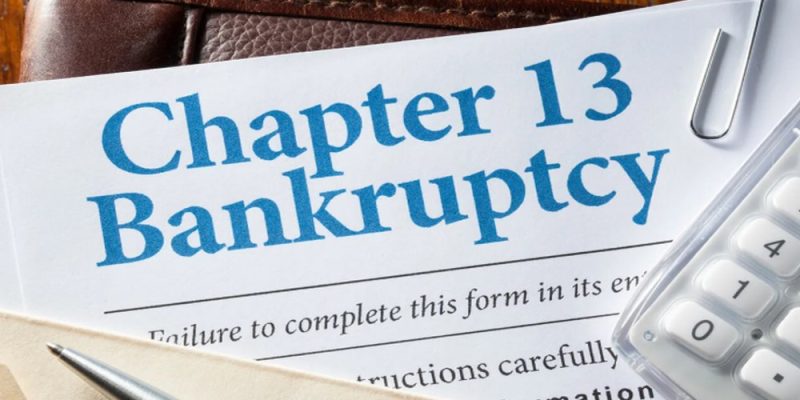
Chapter 13 bankruptcy is a legal process designed to help individuals reorganize their debts and create a manageable repayment plan. Unlike Chapter 7 bankruptcy, which often involves liquidating assets to pay creditors, Chapter 13 allows debtors to keep their property while paying off debts over time. This form of bankruptcy is particularly beneficial for those with steady income who need a structured way to handle financial challenges.
How Chapter 13 Bankruptcy Works?
The Chapter 13 process begins with filing a petition in federal bankruptcy court. Along with the petition, individuals must submit detailed financial information, including income, expenses, assets, and debts. Based on this information, the court reviews the case and approves a repayment plan, usually lasting three to five years. During this period, the individual makes regular payments to a court-appointed trustee, who distributes funds to creditors according to the plan.
One of the primary benefits of Chapter 13 is its ability to stop foreclosure and repossession. Homeowners falling behind on mortgage payments can use Chapter 13 to catch up on arrears over time, protecting their home from immediate loss. Similarly, individuals can include other secured debts, such as car loans, in their repayment plan, helping them retain essential property while addressing outstanding obligations.
Who Can File for Chapter 13?
Not everyone qualifies for Chapter 13 bankruptcy. Federal law sets limits on the amount of unsecured and secured debt an individual can have to be eligible. Typically, this includes credit card debt, medical bills, and certain types of loans. Individuals with irregular or insufficient income may need to explore alternative solutions, such as Chapter 7 or other debt relief options.
Advantages of Chapter 13 Bankruptcy
Chapter 13 offers several advantages for those struggling financially. It allows individuals to maintain ownership of their home and other essential assets, provides protection from creditor harassment, and can consolidate multiple debts into a single, manageable monthly payment. Additionally, completing a Chapter 13 repayment plan can lead to the discharge of certain debts, giving individuals a fresh start and improved financial stability.
By understanding how Chapter 13 bankruptcy works, individuals can make informed decisions about managing debt, protecting assets, and rebuilding their financial future.
This article was written by Alla Tenina. Alla is one of the best bankruptcy attorney in Sherman Oaks and the founder of Tenina Law. She has experience in bankruptcies, real estate planning, and complex tax matters. The information provided on this website does not, and is not intended to, constitute legal advice; instead, all information, content, and materials available on this site are for general informational purposes only. Information on this website may not constitute the most up-to-date legal or other information. This website contains links to other third-party websites. Such links are only for the convenience of the reader, user or browser; the ABA and its members do not recommend or endorse the contents of the third-party sites.









Comments